
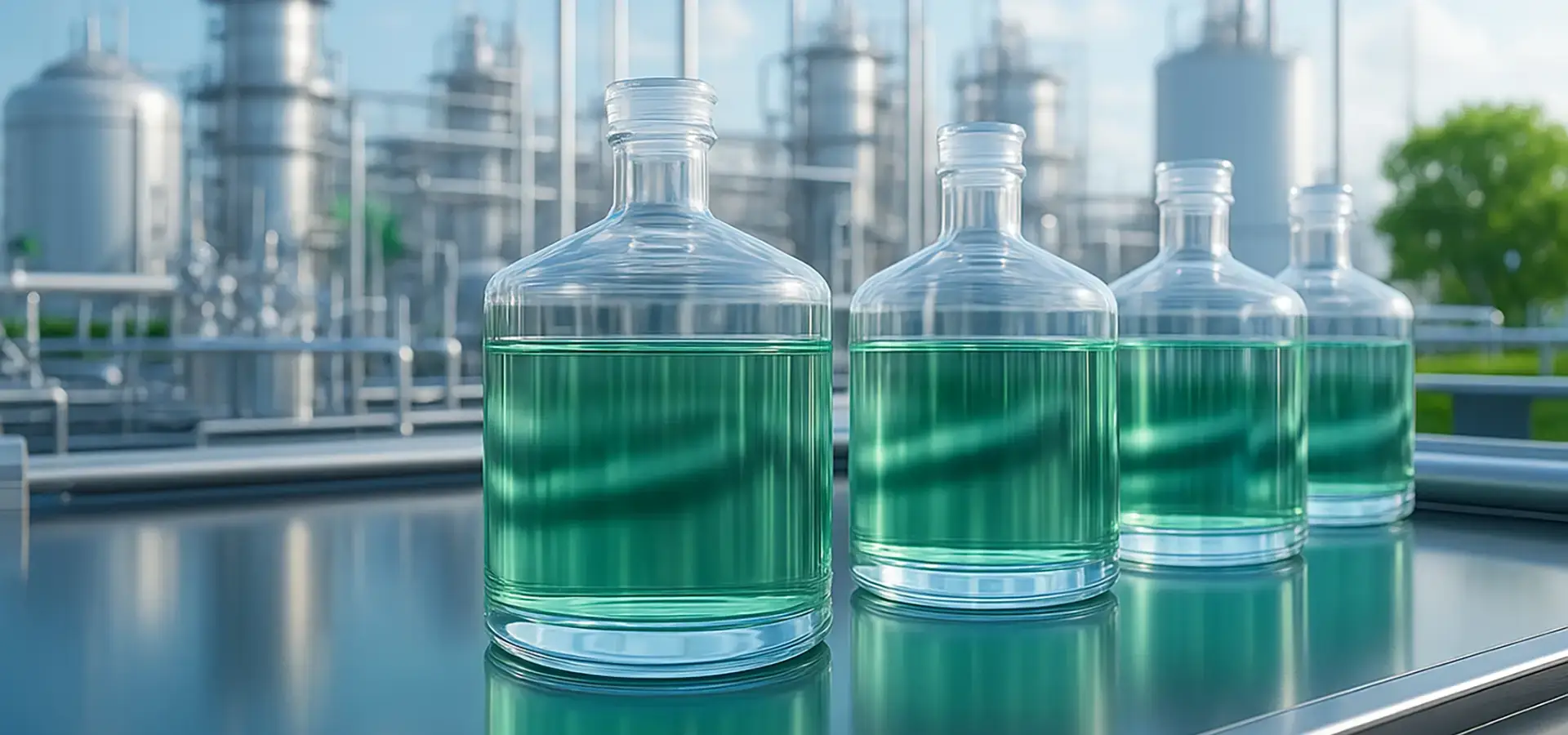
Across industries, the need to decarbonize is growing louder. The maritime, industrial, and energy sectors are under pressure to reduce emissions quickly. However, for many businesses, the decision is not whether to relocate. The question is, “How and When?”
The ideal solution may be clean, green, and emission-free. However, not all businesses can afford to wait until technology becomes commercially viable or widely available.
This is where the methanol comes in. Methanol, a low-emission fuel that is extensively utilized today, offers a possible answer. With green methanol supply still limited, many forward-thinking businesses are asking:
Can we start with grey methanol and yet be on the right track?
Hydrogen Era Global (HEG) believes the answer is yes. In fact, beginning with grey methanol can be one of the most efficient and scalable strategies to convert to cleaner fuels.
Let us explain why.
Methanol: One Fuel, Two Production Paths
Chemically, methanol is always the same molecule. The key difference lies in how it’s produced — and the level of emissions that come with that process.
Grey methanol is made from fossil fuels such as natural gas or coal, which results in high lifecycle carbon emissions. Green methanol, on the other hand, is produced using green hydrogen combined with captured carbon dioxide, leading to very low or even net-zero emissions. Both forms of methanol can power the same engines, generators, and fuel cells.
What really sets them apart is the carbon footprint at the source. This is why a thoughtful transition strategy is essential — one that considers what’s available now, and what’s coming next.
Why Grey Methanol Makes Sense Right Now
Grey methanol isn’t ideal, but it’s a big improvement over traditional fossil fuels. It enables businesses to lower emissions now while planning for a greener future.
Here’s why it’s an appropriate starting place.
Green Methanol: The Future Worth Building Toward
Green methanol, made from renewable hydrogen and captured carbon dioxide, is the long-term goal. It supports climate targets across the board:
But green methanol isn’t available everywhere yet. Most supply is still concentrated in a few markets, with pricing and delivery subject to change. For many companies, that means green methanol isn’t yet a realistic option for near-term adoption.
So what’s the better approach?
Start with grey methanol now. Build experience. Then scale into green methanol when supply stabilises and prices fall.
HEG’s Grey-to-Green Transition in Practice
At Hydrogen Era Global, we design systems that work with both grey and green methanol. That way, companies can act immediately, without getting locked into outdated infrastructure.
What We Have to Offer:
Our mission is to make the energy transition accessible. You don’t need to do everything at once. But you do need to start.
Methanol and Hydrogen: A Connected Journey
Some think methanol and hydrogen are competing fuels. We see them as complementary.
Methanol is:
Starting with methanol helps teams gain hands-on experience with clean fuel systems. It builds operational readiness. And it keeps the door open for future technologies, without forcing premature commitments.
Be Realistic, Then Be Bold
The clean energy transition doesn’t need to happen all at once. In fact, the most successful strategies begin by matching ambition with action.
Be realistic about what’s available today. Grey methanol offers a measurable reduction in emissions, cost advantages, and logistical ease.
Then be bold about what’s coming next. Green methanol and hydrogen will reshape the global energy landscape. Planning for them now puts your organisation ahead.
At HEG, we help companies take that first step — responsibly, strategically, and with the future in mind.
Want to explore how methanol can work for your business?
Contact us at [email protected] or [email protected] to learn how our methanol solutions can support your move toward a cleaner, future-ready energy system.