
Global efforts to reach net-zero are accelerating, placing growing demands on industries to decarbonize. While hydrogen is the ultimate clean energy goal, the journey requires realistic, scalable solutions available today. Infrastructure limitations, high costs, and technology readiness remain significant barriers to widespread hydrogen adoption—especially in sectors with heavy energy demands. Methanol offers a viable bridge, stepping in as a flexible and practical solution for immediate impact.
Methanol, in our opinion at Hydrogen Era Global (HEG), a key entity under Synergy Pacific Holdings, provides this link — a strategic energy vector that takes into account both present constraints and potential future opportunities.
The Function of Methanol in a Wider Energy Imperative
Methanol stands out as both a hydrogen carrier and a low-emission fuel. Unlike compressed or liquefied hydrogen, it remains liquid at ambient conditions, allowing it to be stored, transported, and distributed using existing infrastructure—significantly reducing capital expenditure and accelerating deployment timelines.
It can be produced renewably (as green methanol), reformed into hydrogen on-site, or used directly in engines and fuel cells. This makes methanol uniquely flexible and immediately usable, especially in hard-to-abate sectors like maritime shipping, power generation, and heavy transport.
The Need for Solutions in the Maritime Decarbonization Sector is Critical
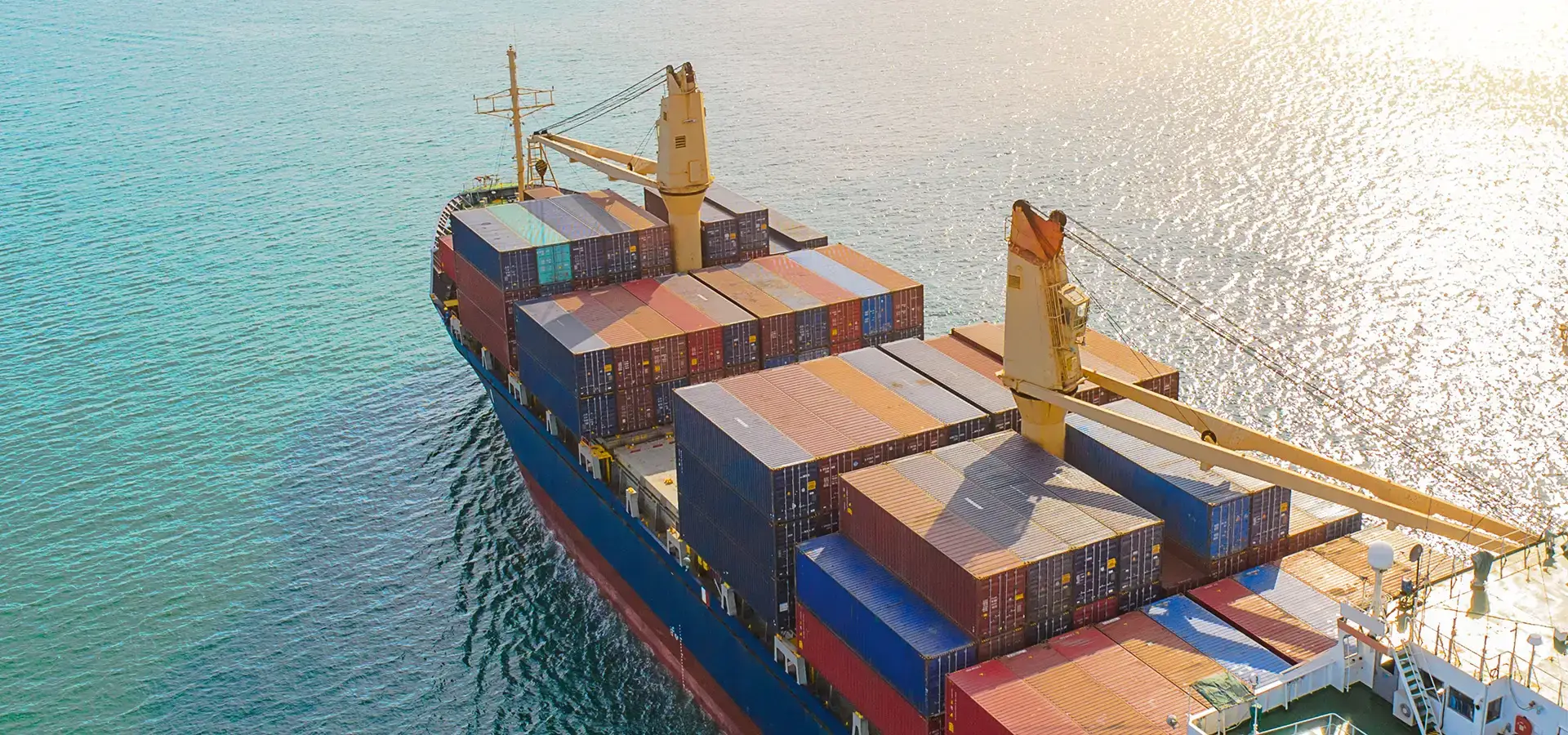
There aren’t many industries with as complicated decarbonization issues as the maritime sector. Almost 3% of carbon emissions worldwide come from shipping, and the International Maritime Organization (IMO) has set aggressive goals to cut greenhouse gas emissions by at least 50% by 2050.
Nevertheless, there are many logistical, financial, and technical challenges in switching from marine diesel to zero-emission fuels. Methanol presents a promising path.
Strategic Methanol Solutions from HEG for the Maritime Industry:
From Harbors to Platforms: Practical Methanol Deployment
Shipowners, port officials, and energy regulators are among the maritime stakeholders with whom HEG is collaborating closely to test and implement methanol-based solutions. These consist of the following: methanol-powered auxiliary generators for offshore platforms and ships; methanol-to-hydrogen fuel cell-based onshore power systems for port electrification; and integrated bunkering techniques to prepare vessels for dual-fuel operations in the future.
Conclusion: Methanol is the Catalyst for Change.
At Synergy Pacific Holdings, we understand that the energy transition is not a leap, but a strategic journey. Methanol is more than a stopgap—it is a catalyst. Through HEG, we are harnessing its full potential to accelerate decarbonization, especially in the maritime sector.
Because decarbonization isn’t binary—it’s a voyage. And we’re leading the charge, starting now, with methanol.